Immigration trauma: what it is and how teens and young adults can cope
Immigration trauma is real, even when the move was made for safety, opportunity, or a better future.
When a teenager or young adult leaves their home country, they are not only changing geography. They are losing familiarity, language rhythms, friendships, routines, and sometimes extended family. Immigration can open doors, but it can also create invisible wounds.
If you are a teen or young adult navigating life in a new country, or a parent trying to understand what your child is going through, it is important to know this: the emotional impact of immigration is not weakness. It is a natural response to major change. Third culture kid therapy offers a space to explore how moves have shaped your teen life in unexpected ways.
If you are new here, we are Jeffrey and Rebekah. We help teens, young adults, third culture kids, and individuals with ADHD work through mental health challenges through online therapy and life coaching based in Dallas, Texas.
Let’s begin by understanding what immigration trauma actually is.
What is immigration trauma?
Immigration trauma refers to the psychological and emotional impact of leaving one country and adjusting to life in another.
It can include:
- Trauma from leaving your home country
- Sudden separation from extended family
- Loss of community and cultural familiarity
- Language barriers
- Exposure to discrimination or marginalization
- Chronic uncertainty about stability
Immigration trauma is not limited to refugees or extreme situations. Even when immigration is planned and hopeful, the nervous system still experiences disruption.
Moving to another country affects attachment systems. You lose places that felt predictable. You may lose social status, language fluency, or cultural confidence. The brain interprets that loss as stress. When that stress is prolonged or overwhelming, it can become trauma.
Migration trauma often develops quietly. It is not always one dramatic event. It is cumulative change without full emotional processing.
Immigration trauma affects teens differently
Adolescence is already a critical stage of identity development. Teens are asking:
- Who am I?
- Where do I fit?
- How do others see me?
When immigration occurs at this stage, those questions become more pressing.
Immigrant teen mental health can be especially vulnerable because:
- Peer belonging becomes central during adolescence
- Accent differences may trigger shame
- Cultural norms may conflict with family expectations
- Academic systems may feel unfamiliar
- Social cues may feel difficult to decode
Acculturative stress, the pressure to adapt to a new culture, can lead to exhaustion. Teens may feel they are constantly translating not only language, but also identity.
Some feel “too foreign” in their new country and “not the same anymore” in their home country. That in-between space can intensify immigration trauma.

Common signs of immigration trauma in teenagers
Immigration trauma symptoms in teens are often misinterpreted as attitude problems or rebellion.
You may notice:
- Withdrawal from peers
- Irritability at home
- Shame about the accent or heritage
- Refusal to speak the native language publicly
- Decline in academic confidence
- Increased anxiety in social settings
- Fear of authority systems
Some teens internalize the stress. Others externalize it through anger.
If your teen seems disconnected from both cultures or expresses that they do not belong anywhere, it may be more than a typical adjustment.
Signs of immigration trauma in young adults
Young adults who immigrated as children or teens may not recognize their struggles as immigration trauma.
Instead, they may describe:
- Chronic anxiety about stability
- Hyper independence
- Pressure to succeed to justify the move
- Survivor's guilt toward family left behind
- Identity confusion
- Difficulty forming long-term attachments
Some first-generation young adults feel intense responsibility to support their parents emotionally or financially. Role reversal, such as translating documents or navigating systems, can accelerate maturity in ways that feel heavy.
Immigration trauma in young adults often shows up in relationships. Trust may feel fragile. Long-term planning may feel uncertain.
Acculturation stress and the pressure to adapt
Acculturation stress refers to the ongoing strain of adapting to a new cultural environment.
For teens and young adults, this may include:
- Learning new social norms
- Balancing two value systems
- Navigating stereotypes
- Experiencing discrimination
- Translating for parents
- Acting as a cultural bridge in the family
Parent-child dynamics can shift after immigration. Teens may adapt faster to the new culture than their parents, creating tension. Expectations around independence, dating, or career paths may clash.
Over time, this cultural displacement can intensify immigration trauma, especially if teens feel they cannot fully express frustration or grief.
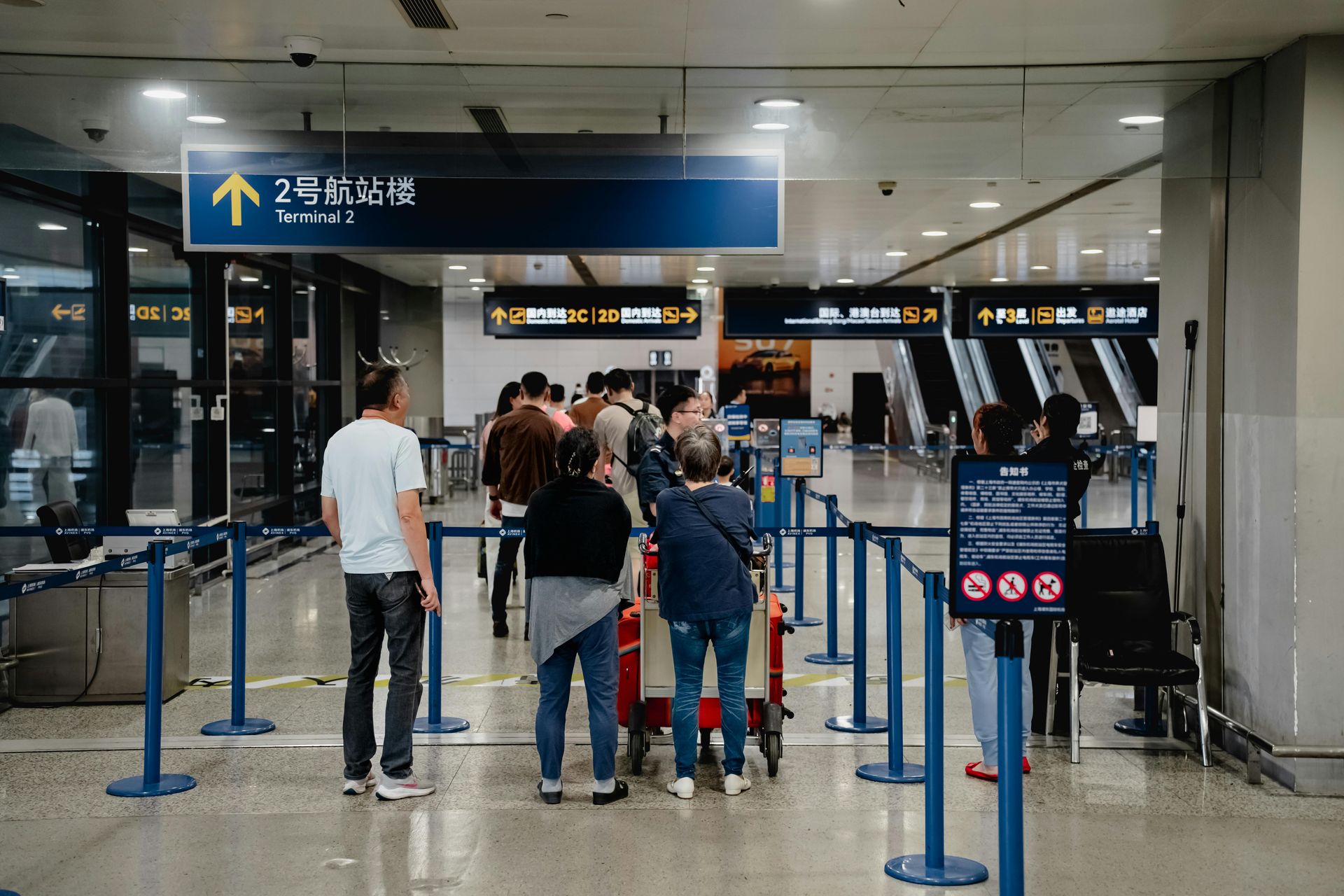
Immigration trauma is often misunderstood
Immigration is often framed as a story of opportunity and resilience. Families sacrifice for better education, safety, or economic stability. Because the move had purpose, emotional pain can feel invalid or ungrateful.
Many immigrant teens and young adults minimize their distress by telling themselves:
“My parents gave up everything for me.”
“I should not complain.”
“Others had it worse.”
But gratitude and grief can coexist.
Immigration trauma is often overlooked because survival and success stories dominate the narrative. Emotional processing is rarely prioritized during major transitions.
Healthy ways teens and young adults can cope
Healing from immigration trauma does not mean rejecting your roots or your new country. It means integrating both.
Healthy coping strategies include:
- Naming grief. It is normal to miss what you left behind.
- Maintaining cultural rituals. Food, language, music, and traditions anchor identity.
- Building bicultural identity. You do not have to choose one culture over another.
- Finding safe peer support. Connecting with others who understand cross-cultural experiences reduces isolation.
- Journaling. Writing helps process layered emotions that are hard to verbalize.
- Regulating your nervous system. Breathing exercises, grounding techniques, and movement can calm chronic stress responses.
How to know if your teen needs therapy?
Consider seeking therapy if:
- Depression persists for months
- Panic attacks develop
- Sleep is consistently disrupted
- Social isolation deepens
- Identity confusion feels overwhelming
- Family conflict escalates
- Anger feels uncontrollable
Immigration trauma that remains unprocessed can affect long-term self-esteem and relational patterns.
How therapy helps process immigration trauma
Therapy provides a structured and safe environment to explore immigration trauma without judgment.
In therapy, teens and young adults can:
- Process unresolved grief
- Reconstruct personal narrative
- Explore identity integration
- Strengthen emotional regulation
- Address attachment disruptions
- Reduce anxiety and depressive symptoms
Trauma-informed care recognizes that relocation stress affects both mind and body. Therapy works at both levels.
Culturally sensitive therapy also honors heritage. It does not ask you to erase your past in order to adapt.
You can honor your roots without losing yourself
Immigration trauma does not define your future.
Many teens and young adults develop remarkable strengths through cross-cultural experiences:
- Cultural intelligence
- Empathy
- Adaptability
- Perspective
- Resilience
When immigration trauma is processed, these strengths become integrated rather than defensive.
You can honor your roots without losing yourself in the process of adaptation. You can build a sense of belonging internally, even while navigating multiple cultural worlds.
If you or your teen is struggling with immigration trauma, we would be honored to support you.
Explore
third culture kid therapy and discover a space to explore how moves have shaped your life in unexpected ways.
*AI Disclosure: This content may contain sections generated with AI with the purpose of providing you with condensed helpful and relevant content, however all personal opinions are 100% human made as well as the blog post structure, outline and key takeaways.
* Blog Disclaimer: Please note that reading our blog does not replace any mental health therapy or medical advice. Read our mental health blog disclaimer here.

Hello, we are Jeffrey & Rebekah
Therapists and life coaches at Healing Harmony. We specialize in supporting multicultural families and Third Culture Kids (TCKs) through transitions and emotional challenges, fostering resilience and cultural identity.
Download your FREE life journal