Trauma of moving: Signs you or your teen might benefit from third culture kid therapy
The trauma of moving is not always loud.
It does not always look like a crisis. Sometimes, it looks like adaptability, independence, or resilience. Maybe you learned to pack your things fast, make friends easily, and adjust to new places quickly. You became known as the child who could handle change.
But what if moving was not just something you got through, but something your body never fully worked through?
For many third culture kids, the stress of moving becomes part of their identity. It affects how they form attachments, how they feel about belonging, and how safe it feels to settle down emotionally.
If you grew up moving between countries, cultures, or communities, you might not have words for how it affected you. Third culture kid therapy offers a space to explore how your moves have shaped your adult life in unexpected ways.
If you are new here, we are Jeffrey and Rebekah. We help young adults, TCKs, and people with ADHD work through mental health challenges with online therapy and life coaching in Dallas, Texas.
What is the trauma of moving, and why is it often overlooked in third culture kids?
The trauma of moving is the emotional and neurological impact of repeated relocation, especially during childhood, when identity and attachment systems are still forming. It refers to the cumulative stress of saying goodbye, losing stability, and constantly adapting before the body has had time to process grief.
When people think of trauma, they often imagine dramatic or catastrophic events. Because moving is usually framed as an opportunity, a privilege, or even an adventure, its psychological effects are rarely recognized as traumatic.
But for third culture kids, repeated relocation quietly shapes the nervous system. Every goodbye requires emotional detachment. Every transition demands rapid adjustment. Each new environment asks you to observe carefully, adapt quickly, and behave socially to belong.
Moving becomes traumatic not necessarily because a single move is harmful, but because chronic uprooting interrupts attachment cycles. You may not have had time to grieve the loss of friendships, teachers, churches, or communities before the next move began. Over time, your system learns that the connection is temporary and stability is uncertain.
Third culture kids are often praised for their flexibility, resilience, and cultural intelligence. Yet that flexibility can mask ongoing instability. Without a consistent physical and relational home base, the body may remain in a state of low-level hypervigilance.
Because adaptation is often mistaken for strength, the trauma of moving often becomes normalized. It is rarely named, rarely processed, and rarely validated, even though its impact can follow someone well into adulthood.

Signs you may be experiencing trauma from moving
You might find it hard to feel like you belong, even when your life seems stable.
One of the most common long-term effects of relocation trauma is difficulty feeling at home anywhere.
You might hesitate when someone asks, “Where are you from?” You could feel somewhat connected to many places, but not fully at home in any of them. Even after years in one place, it can still feel temporary.
You might also notice that you keep some distance in relationships. If leaving has always been part of your life, getting close to others can feel risky.
This does not mean there is something wrong with you. It just means your body learned that things do not always last.
Third culture kid therapy helps you examine how early moves shaped how you connect with others.
The stress from moving does not just go away after you settle in.
It can show up as:
- Anxiety when circumstances change
- Difficulty committing to long-term plans
- Fear of investing deeply in friends.
Some adults who moved a lot as kids may unknowingly create instability in their lives. Others might hold on tightly to routines to avoid losing things again. Moving trauma can make people very independent. You may have learned not to rely too much on others because you might have to leave them.
Therapy can help you separate old survival habits from what is happening in your life now.
You experience unexpected grief when others move.
If someone you care about relocates, you may feel disproportionate sadness.
Even small goodbyes can bring up old feelings. You might feel homesick after a move, even if you chose to move. Your body remembers what it was like to say goodbye over and over.
Grief that you put off as a child often comes back later. If you did not have time to deal with earlier losses, those feelings can linger.
Third culture kid therapy gives you a safe place to look back at those changes you never got to process.
You feel emotionally younger in certain situations.
Many third culture kids seem mature. You learned to get through airports, adjust to new cultures, and pick up on social cues quickly.
But all that change might have interrupted your emotional growth. You could feel younger than your age when dealing with conflict, closeness, or being open with others.
When kids focus on adjusting to the outside world, they often put off dealing with their feelings.
Therapy helps bring together the parts of your identity that got separated.
The psychological effects of moving house were never processed.
Moving to new places and starting over again and again can quietly break up your sense of who you are.
You learned to switch between cultures, adapt quickly to new social rules, and copy what others expected so you could fit in.
But who are you when you are not just adapting?
The psychological effects of moving house are not only about sadness. They include:
- Difficulty trusting permanence
- Chronic anticipation of change
- Identity confusion
- Attachment anxiety
- Emotional detachment
The trauma from moving often goes unnoticed because it does not look like the usual stories of trauma.
But it still leaves a mark.
You struggle with long-term attachment.
The way you form attachments depends on whether your environment felt steady and predictable.
If your childhood included repeated relocations, friendships may have been short-lived. Teachers changed. Churches changed. Communities changed.
As an adult, you may:
- Pull away when relationships deepen.
- Feel uncomfortable depending on others.
- Avoid making future-oriented plans.
- End relationships before they become too important
These habits are not personal failings. They are your body’s way of responding to instability.
Third culture kid therapy can help you feel more secure in your relationships.
You feel restless even when life is calm.
Some adults who moved a lot as kids say they feel uneasy when life is calm. If stability was historically temporary, your system may anticipate disruption even when none exists.
You might find yourself seeking change without realizing it, or feel anxious when things are going smoothly.
Moving trauma can make you extra alert to the possibility of losing things or people.
Therapy can help your body learn that staying in one place does not have to feel unsafe.

How can third culture kid therapy help you?
Third culture kid therapy is not about removing the moving from your story.
It is about making it part of who you are in a healthy way.
Therapy can help you:
- Process unresolved grief
- Build secure attachment patterns.
- Clarify identity outside of location.
- Strengthen emotional regulation
- Reframe mobility as strength rather than instability
The trauma of moving is not your whole story. But understanding it can help you feel freer.
Therapy uses storytelling, attachment repair, and trauma-informed care to help you feel whole instead of divided.
When to consider seeking support
You may benefit from therapy if:
- You feel rootless despite having lived in one place for years.
- Change triggers disproportionate anxiety.
- Relationships feel unstable or intense.
- You avoid deep connection.
If the stress from moving still affects your emotions, it is worth paying attention to. Going to therapy is not a sign of weakness. It shows you are aware of what you need. weakness. It is awareness.
Healing the trauma of moving without erasing your story
Mobility also builds resilience.
You developed cultural intelligence. Adaptability. Perspective. Empathy.
Healing does not mean turning away from your past. It means accepting it so it does not control your relationships now.
Third culture kid therapy helps you feel more grounded inside. Even if you moved a lot as a child, you can build emotional stability now.
You deserve belonging that endures.
Taking your next step toward rooting yourself
If you recognize yourself in these patterns, you are not alone.
You are not too sensitive, ungrateful, or dramatic.
You did your best to adapt to all the changes.
If you are ready to explore what healing and integration could look like, we would be honored to walk with you.
Start exploring third culture kid therapy
*AI Disclosure: This content may contain sections generated with AI with the purpose of providing you with condensed helpful and relevant content, however all personal opinions are 100% human made as well as the blog post structure, outline and key takeaways.
* Blog Disclaimer: Please note that reading our blog does not replace any mental health therapy or medical advice. Read our mental health blog disclaimer here.

Hello, we are Jeffrey & Rebekah
Therapists and life coaches at Healing Harmony. We specialize in supporting multicultural families and Third Culture Kids (TCKs) through transitions and emotional challenges, fostering resilience and cultural identity.
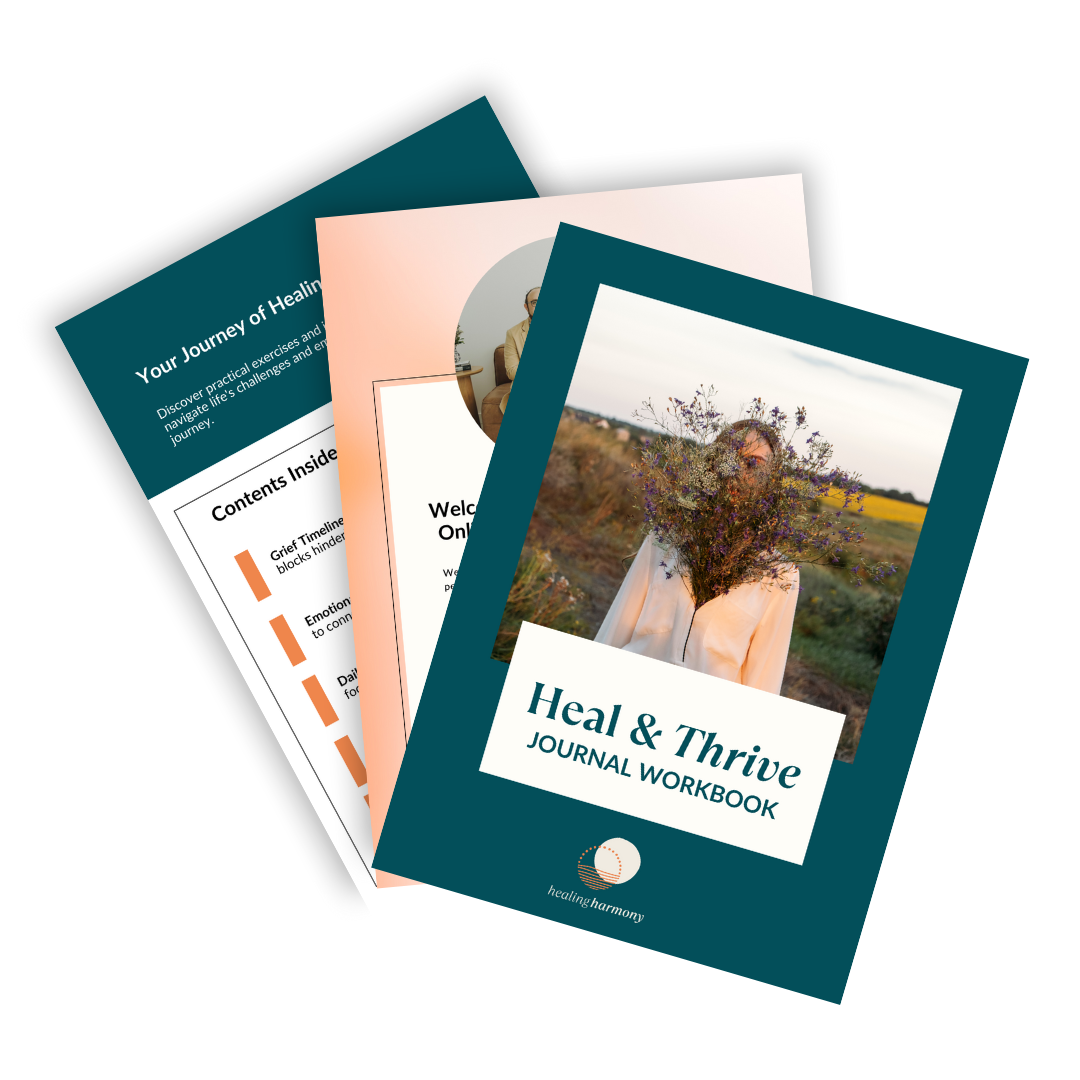
Download your FREE life journal