
Life coaching for teens: how it works, what to consider, and the signs your kid needs it
Coaching for teenagers is forward looking and skills based. A coach helps a teen figure out what they want, break it into steps they can carry out on their own, and build the habits that make those steps repeatable. It sits next to therapy rather than replacing it, and knowing which one your teen needs saves months.
Below you will find what happens in sessions, how coaching differs from therapy, the signs that point toward one or the other, what it costs, and what to ask before you hire anyone.
In case you are new here, we are Jeffrey, therapist, and Rebekah, life coach. We run Healing Harmony Counseling, an online teen life coaching for 13 to 25 year olds, including teens with ADHD, teens who have grown up between countries, and the ones who look fine from the outside and are quietly falling apart underneath.
What does a life coach for teens do?
A teen coach works on the gap between what a teenager wants and what they are currently able to organize themselves to do. That covers school habits, sleep, friendships, sports, part time jobs, screen use, and the enormous question of what happens after high school. The coach does not tell the teen what to want. They ask better questions than most adults in a teenager's life have time to ask, then help build a plan around the answers.
A typical session: what the hour looks like
Sessions usually run 45 to 60 minutes, weekly or every other week. The first part is a check on what was agreed last time. Not an interrogation, just an honest look at what happened. If the teen did none of it, that becomes the useful material, because the reason it did not happen is the obstacle worth solving. The middle of the session is problem solving. If a teen keeps starting homework at 10pm, the coach works backward through the afternoon to find the point where the day gets away from them. Then they design something small and testable, like starting with the easiest assignment instead of the most important one, or leaving the phone in the kitchen between 4 and 6.
The session ends with one or two commitments the teen chose themselves, which matters more than adults expect. A plan a 16 year old wrote is a plan they will defend. A plan handed to them is one more instruction from an adult.
Coaching versus therapy for teens: how to tell which one you need
Therapy is clinical care. It is the right call for anxiety, depression, self harm, panic attacks, trauma, disordered eating, or anything that affects safety. A therapist is licensed, can diagnose, and works with the emotional history behind the behavior.
Coaching assumes the teen is basically well and needs structure, direction, and accountability. If your teenager is functioning but drifting, coaching fits. If your teenager is struggling to get through the day, start with a therapist.
A practice that offers both can move a teen between the two without making the family start over with a stranger, which is one reason we keep them side by side.
Parent involvement: how much you stay in the loop
Most coaches set this up front, and you should ask. A common arrangement is a monthly parent check in about themes and progress, with the content of sessions kept between the coach and the teen. That confidentiality is what makes a teenager willing to say anything real.
Parents sometimes get more out of coaching than they expect, mostly by learning what to stop doing. When a teen has an outside adult holding them accountable for their calendar, parents can step back from the nightly homework fight.
Households get noticeably quieter within a month or two, which changes more at home than the homework itself.
What can a life coach do for a 13 year old, and does age matter?
Age changes the work substantially. A 13 year old and a 17 year old need almost nothing in common from a coach, and any coach who runs the same format for both is not paying attention.
Middle school: confidence, friendships, and first independence
At 13, the work is mostly social and emotional, with a light touch on organization. Middle schoolers are managing shifting friend groups, first exposure to social media comparison, and a school structure with more teachers and more moving parts than elementary school prepared them for.
Sessions at this age are shorter and more concrete. Practicing what to say when a friend excludes you. Learning to email a teacher. Deciding what to do about a group chat that has turned mean. Building a homework routine that fits an after school schedule rather than fighting it.
The goal is a kid who feels capable of handling small problems without an adult stepping in every time.
High school: workload, college pressure, and self-management
By 16 or 17 the stakes have changed. Coaching shifts toward long range planning, workload management across five or six classes, and the college question, which for many teens is less about ambition and more about relief from being asked constantly.
This is also the age where a coach can be honest about consequences in a way parents cannot without it turning into a fight. A teen who hears from a neutral adult that a 2.4 GPA closes certain doors tends to absorb it better than the same information delivered at dinner for the fourth time.
Coaches also work on the skills nobody teaches directly: scheduling backward from a deadline, asking for help before a problem is urgent, recovering after a bad week instead of writing off the semester.

What are the signs your teen needs a life coach?
The clearest sign is a persistent gap between capability and results, with no crisis attached. Your teen can do the work and is not doing it. They have ideas about the future and no plan attached to any of them. They agree with everything you say and nothing changes.
Anxiety and avoidance: when worry starts running the schedule
Watch for avoidance that has a fear underneath it. A teen who will not email a teacher about a missing assignment, who skips the club they wanted to join, who stalls on college applications until the deadline forces a bad decision. That pattern often gets labeled as laziness at home when it is closer to fear.
Once the fear is manageable, coaching has something to build on. Sequencing these correctly is often the difference between six months of progress and six months of frustration.
Motivation drops: capable kid, nothing getting done
Sudden loss of interest in things that used to matter deserves attention. If a teen who loved soccer quits, stops seeing friends, and sleeps most of the weekend, that pattern points toward depression and needs a clinical assessment rather than an accountability plan.
A slower drift looks different. The teen is still social, still funny, still engaged in things they choose, and simply cannot make themselves care about anything assigned to them. That version usually responds well to coaching, especially when the coach helps them find a reason of their own instead of borrowing the parents' reasons.
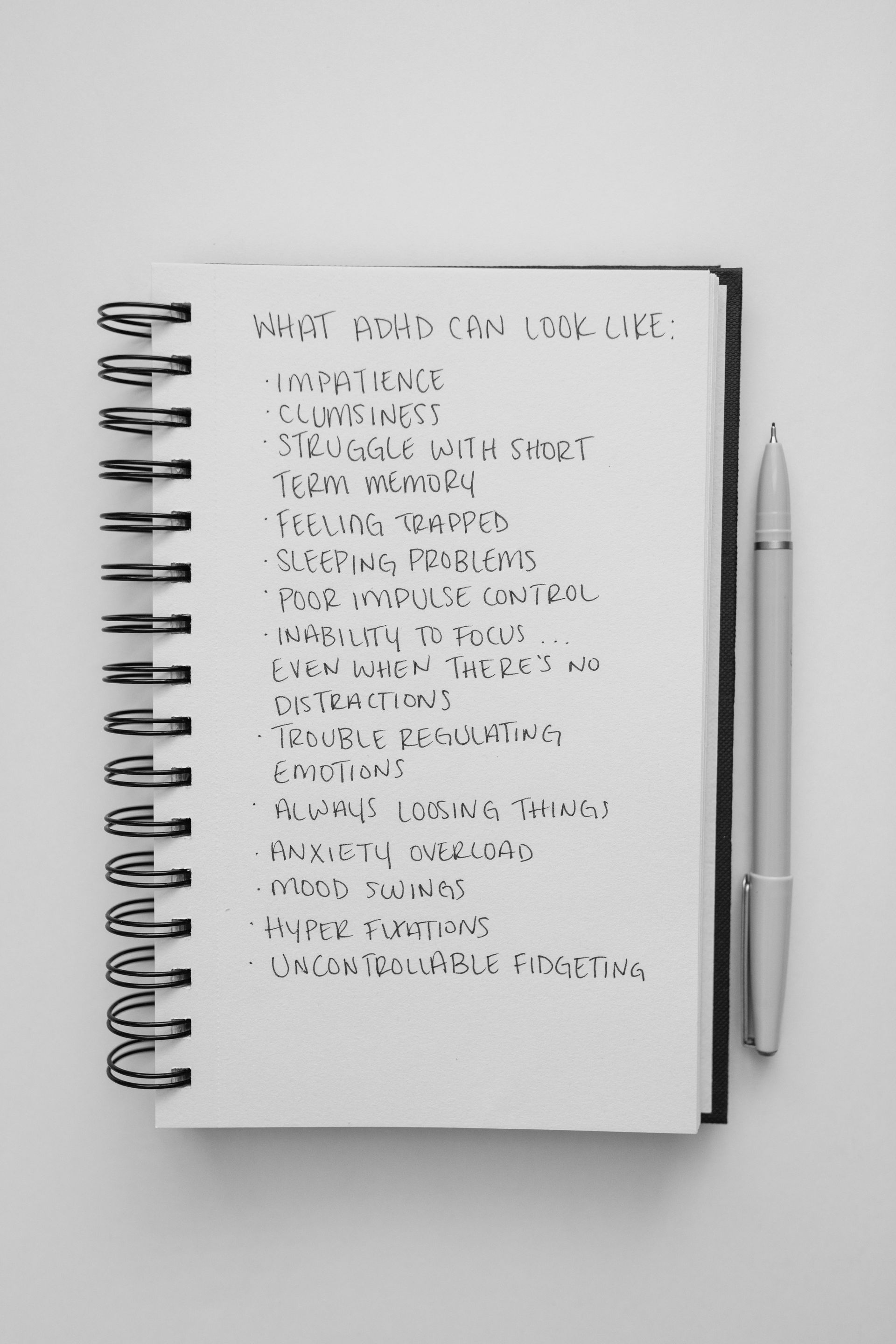
There is a third version worth ruling out, particularly with bright teens who have never been formally assessed. Chronic lateness, lost assignments, and a homework hour that stretches to four can be executive function rather than motivation. Our breakdown of the symptoms of ADHD in teenagers covers what tends to get missed at this age, especially in girls.
Transitions: moves, new schools, and life between cultures
Teenagers who move often, especially between countries, carry a specific kind of tiredness. They learn to read a new social environment fast, adapt, and stay slightly outside it. By high school many have decided it is easier not to invest in friendships at all.
We work with a lot of these students, and the pattern has a name. If your teen has lived in several countries and belongs fully to none of them, our post on what it means to be a third culture kid is a useful place to start.
Coaching helps them make deliberate decisions about where to put their energy instead of defaulting to distance, and gives them language for an identity that does not fit neatly into any one place. The same applies to a family move across Texas or a switch to a new school district, which teenagers absorb harder than most parents realize.
What should you consider before hiring a life coach for teens near you?
A consultation call tells you more than a website will. Go in with specific questions rather than a general sense of whether you liked them.
Questions that reveal how they work
Ask who they usually work with. A coach whose clients are mostly executives will approach a 15 year old the wrong way. Ask how they handle a teen who does not want to be there, because that is common and a good coach has a real answer instead of an inspirational one.
Ask what happens when something clinical surfaces. Coaches should have a clear line, a referral network, and no hesitation about saying this is outside my scope. Ask what parent communication looks like and get it in writing. Ask how progress is measured after three months. If the answer is only about how the teen feels, push for something you can see from the outside.
Format and local knowledge
Location matters less than it used to, since most teen coaching happens over video now, which teenagers vastly prefer to sitting in a waiting room. A session that starts the moment school ends removes the drive, the waiting room, and the argument about going.
It still helps to work with someone who knows how school calendars, testing schedules, and college timelines run in North Texas, since the pressure points arrive on the same weeks for every family here.
What would change at home if someone else was holding the plan?
Most parents who reach out have been the only accountability system in the house for years. You are the reminder, the deadline, the consequence, and the person who has to say the same sentence for the ninth time. That role makes it nearly impossible to also be the person your teenager talks to.
Handing the plan to someone else changes the shape of the evening more than it changes the homework. The conversation at dinner stops being an audit. You get to ask how the day went and mean it.
If your teenager had one adult in their corner who was not grading them or raising them, what do you think they would say first? Reach out and find out.
*AI Disclosure: This content may contain sections generated with AI with the purpose of providing you with condensed helpful and relevant content, however all personal opinions are 100% human made as well as the blog post structure, outline and key takeaways.
* Blog Disclaimer: Please note that reading our blog does not replace any mental health therapy or medical advice. Read our mental health blog disclaimer here.

Hello, we are Jeffrey & Rebekah
Therapists and life coaches at Healing Harmony. We specialize in supporting multicultural families and Third Culture Kids (TCKs) through transitions and emotional challenges, fostering resilience and cultural identity.

Download your FREE life journal