What Is Christian Counseling, And How Does It Actually Work?
There comes a point for a lot of people when advice from friends stops being enough. When prayer feels like it is going somewhere but you are not quite sure where. When you know you need more than a pep talk, you need a space where the full weight of what you are carrying can be set down, examined, and worked through with someone who actually understands both the clinical and the spiritual dimensions of what you are experiencing. That is the space Christian counseling is designed to create.
Christian counseling gets talked about a lot, but it does not always get explained clearly. Some people assume it is just therapy with a Bible verse at the end. Others assume it is only for people with a deep, established faith. Neither is true. Christian counseling is a legitimate, structured therapeutic approach that integrates evidence-based psychological practice with a faith-sensitive framework, and it is more accessible, more nuanced, and more effective than a lot of people realize.
In case you are new here, we are Jeffrey and Rebekah, and we work with young adults, people with ADHD, and Third Culture Kids. You can visit our page for therapists and life coaches. And if you are curious whether coaching might also play a role in your journey, our Christian life coaching and therapy page is a good place to start.
What is Christian counseling?
Christian counseling is a professional therapeutic relationship between a licensed mental health counselor and a client, where the counselor's faith framework actively informs their approach to care. It is clinically structured and evidence-based. What makes it distinctly Christian is the lens. Your faith, your values, your relationship with God, and the ways your spiritual life intersects with your emotional and relational world are not left at the door. They are part of the work.
It is not pastoral care, though pastoral care has its place. It is not a Bible study, though Scripture may come up when it is genuinely useful. It is not a softer, less rigorous version of therapy. It is therapy practiced by licensed professionals who believe that the spiritual dimension of a person's life is clinically relevant, and who have the training to work with it responsibly.
What is the difference between a Christian therapist and a Christian counselor?
A Christian therapist is a licensed mental health professional who integrates Christian values into their clinical practice. They hold both clinical training and personal faith. A Christian counselor may or may not hold a clinical license. Some are pastors or ministry leaders providing pastoral care. Others are trained counselors without clinical licensure. The distinction matters most when you are dealing with diagnosable mental health conditions like anxiety, depression, ADHD, or trauma. In those cases, working with a licensed Christian therapist ensures you are receiving clinically sound, evidence-based care that is also faith-aligned.
What does God say about seeing a therapist?
This question comes up more than you might expect, and it usually reflects a real fear: that needing outside help is somehow a sign of weak faith. Scripture does not support that interpretation. Proverbs 11:14 says "in an abundance of counselors there is safety." Seeking counsel has always been part of a wisdom-seeking life in the biblical tradition. The idea that a person of deep faith should be able to work through depression, anxiety, or trauma alone is not a biblical idea. It is a cultural one. Therapy, especially faith-integrated therapy, is one of the ways that healing enters a life. It is not a replacement for prayer or community. It is a complement to both.
Who is Christian counseling for?
Young adults navigating identity, purpose, and belonging
Young adulthood is one of the most emotionally complex seasons of life. You are figuring out who you are, what you believe, what you want, and where you fit, often simultaneously. For young adults of faith, that process can feel particularly layered. Questions about vocation, relationships, doubt, and spiritual identity intersect in ways that demand careful, compassionate support. Christian counseling creates a space where those questions are not rushed or dismissed. You are allowed to wrestle with the hard things.
People with ADHD who are tired of feeling like they are failing
ADHD is not a character flaw. It is not a spiritual deficit. It is a neurological difference that affects how you process information, regulate emotions, and show up in the world. For people of faith with ADHD, there is often an added layer of shame, a sense that struggling with focus, consistency, or follow-through reflects something deeper about who they are in God's eyes. Jeffrey and Rebekah both understand ADHD from the inside out, personally and professionally. Their work with neurodivergent clients is grounded in evidence-based approaches wrapped in a framework of genuine empathy and faith.
Third Culture Kids and people who have never felt like they fully belong anywhere
If you grew up moving between countries, cultures, or communities, Christian counseling can offer something rare: a space where that experience is fully understood. TCKs often carry a specific kind of grief, a longing for a home that does not exist in the way they imagined, a sense of being between worlds. Jeffrey and Rebekah have lived this across six countries in Latin America, the Middle East, Europe, and Asia. They bring that lived understanding into every session in a way that no textbook can replicate.
What we can explore together
Anxiety and the exhaustion of overthinking
Anxiety in a faith context carries its own particular weight. The clinical experience of worry collides with questions about trust, surrender, and what it means to have faith in the middle of uncertainty. There is a real difference between healthy discernment and destructive worry, and learning to tell them apart is part of the work.
ADHD, shame, and learning to work with your brain
Sessions with ADHD clients often move between practical strategy and deeper narrative work. The goal is to help you build systems that actually work for your brain while addressing the shame and self-criticism that tend to accumulate over years of feeling like you are always behind, always forgetting, always falling short.
Identity, faith, and the questions you are not sure you are allowed to ask
Who am I? Where do I belong? What does God actually have for me? These are not small questions, and they deserve real space. Christian counseling provides a framework for exploring identity that honors both your psychological development and your spiritual journey, without rushing you toward easy answers that do not fit.
Faith doubts and spiritual struggles
You do not have to have it all figured out spiritually to walk into a session. Some of the most meaningful work happens in the space of honest doubt. We hold that space with zero judgment and a deep belief that wrestling with hard questions is not a sign of failing faith. It is a sign of a faith that is alive enough to be worth wrestling with.
Your faith and your healing belong in the same room
The most important thing we want you to take from this is simple: you do not have to choose between getting real clinical support and honoring your faith. The right Christian counselor will hold both, not as a compromise, but as a commitment to treating you as a whole person rather than a set of symptoms to be managed.
If you are ready to take the first step, we would love to hear from you. Start here: therapy in Dallas.

*AI Disclosure: This content may contain sections generated with AI with the purpose of providing you with condensed helpful and relevant content, however all personal opinions are 100% human made as well as the blog post structure, outline and key takeaways.
* Blog Disclaimer: Please note that reading our blog does not replace any mental health therapy or medical advice. Read our mental health blog disclaimer here.

Hello, we are Jeffrey & Rebekah
Therapists and life coaches at Healing Harmony. We specialize in supporting multicultural families and Third Culture Kids (TCKs) through transitions and emotional challenges, fostering resilience and cultural identity.
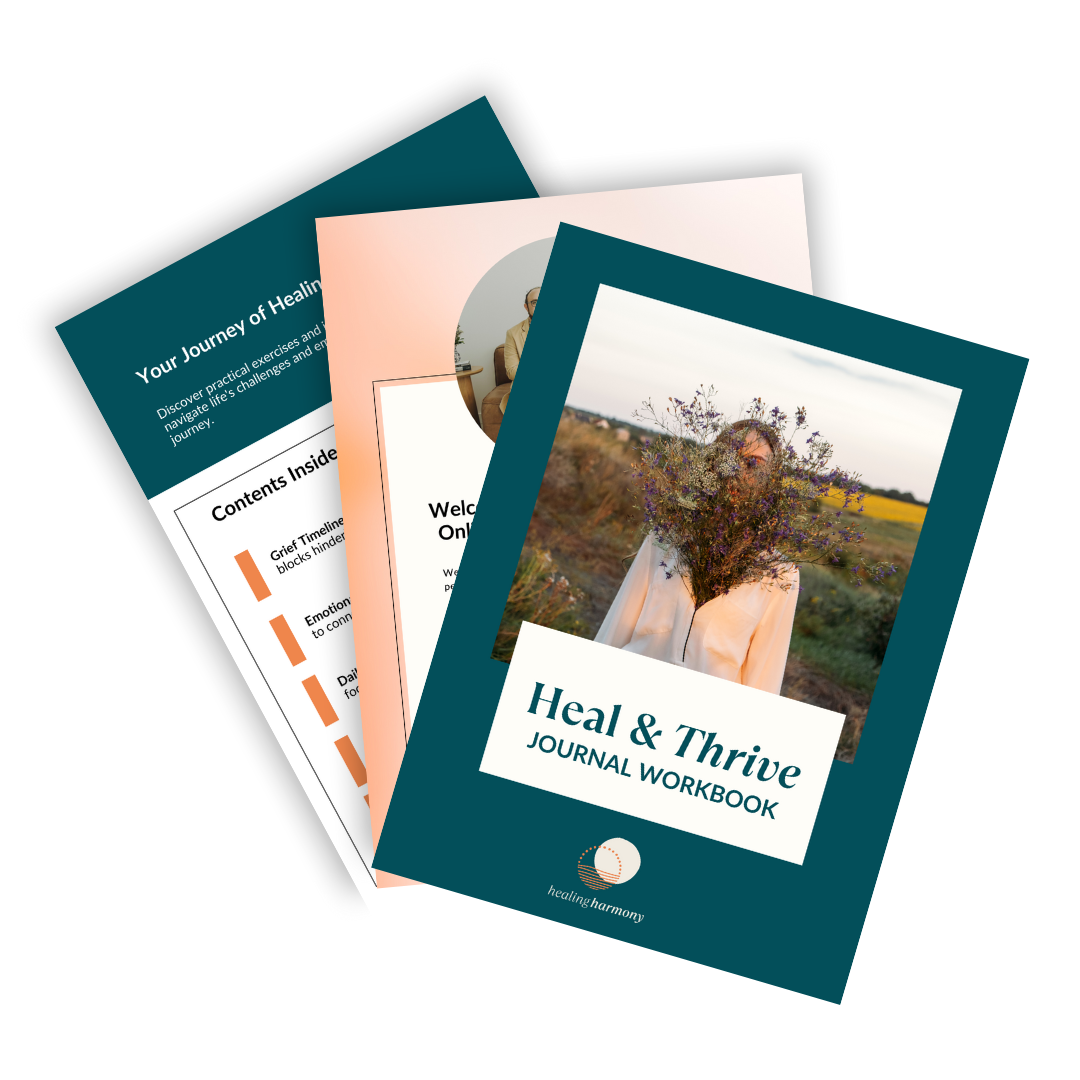
Download your FREE life journal