ADHD Burnout in Young Adults: What It Is and Why It Happens
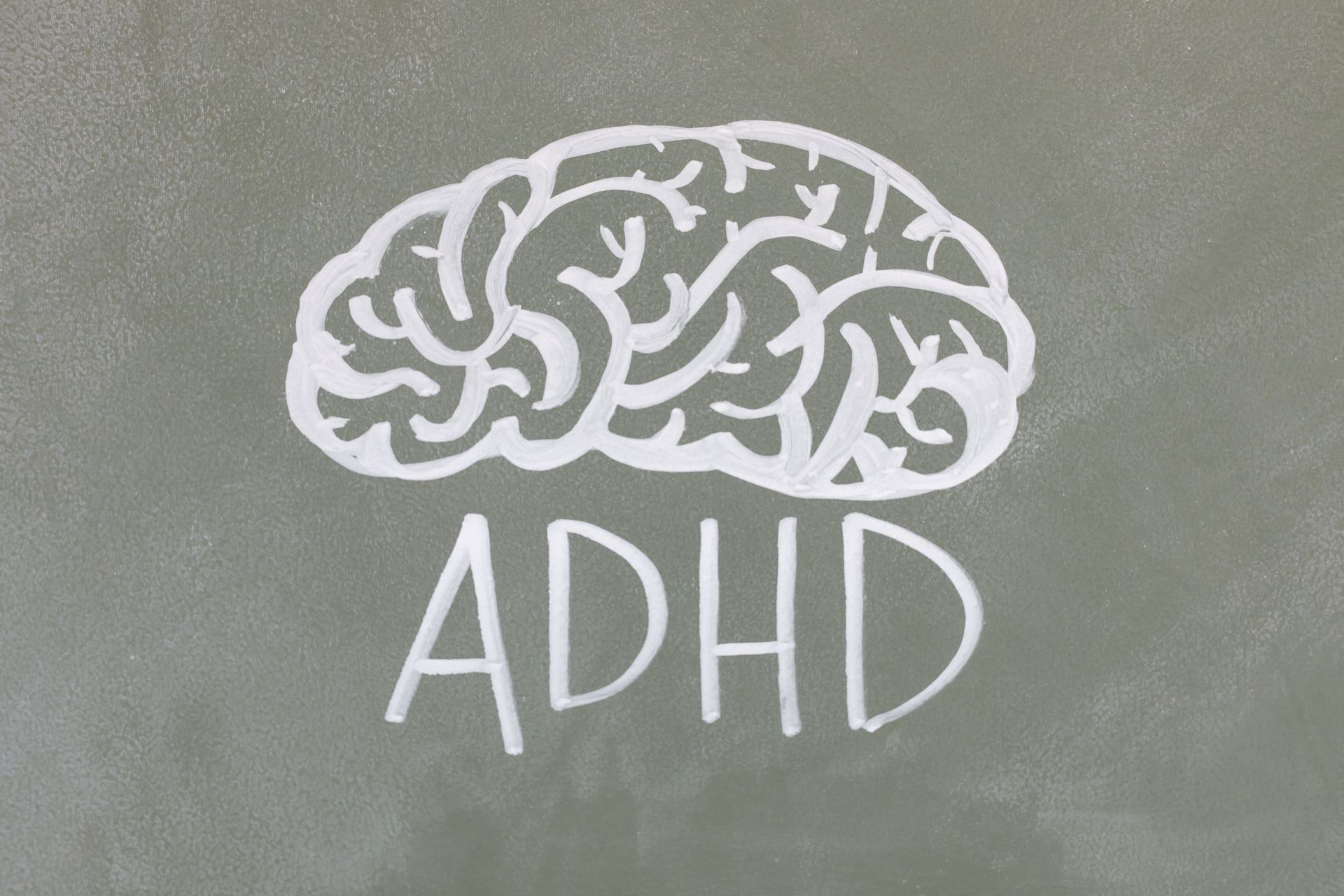
There is a particular kind of exhaustion that young adults with ADHD know well. It is not the tiredness that comes from a late night or a hard week. It is the kind that settles into your bones and makes even the simplest tasks feel impossible. You wake up already depleted. You cancel plans not because you do not care but because you genuinely have nothing left. You look at your to-do list and feel nothing, not anxiety, not motivation, not even guilt. Just emptiness. That is ADHD burnout, and it is one of the most misunderstood and underrecognized experiences in the ADHD world.
For young adults especially, ADHD burnout does not always look the way people expect. It does not look like someone who has been working eighty-hour weeks. It looks like a college student who cannot get out of bed to attend a class they actually like. It looks like a twenty-something who was crushing it at their job three months ago and now cannot send a single email without a two-hour internal battle. It looks like someone who has been trying so hard, for so long, to keep up with a world that was not designed for their brain, and who has finally run out of runway.
In case you are new here, we are Jeffrey and Rebekah. We have both navigated our own relationship with ADHD across continents, life transitions, and seasons of complete depletion. You can learn more about our approach on our ADHD therapy page.
What is ADHD burnout?
ADHD burnout is a state of profound physical, emotional, and cognitive exhaustion that results from the sustained effort of managing an ADHD brain in environments and systems that are not built for it. It is what happens when someone has been compensating, adapting, masking, and pushing through for too long without adequate rest, support, or recognition of how much energy all of that actually costs.
The word burnout gets used loosely, but ADHD burnout has a specific character. It is not just about being overworked. It is about the cumulative toll of doing everything harder than it looks from the outside. Paying attention in a lecture when your brain wants to go somewhere else. Remembering to respond to that message. Showing up on time. Starting the assignment before the deadline. Managing emotions that hit harder and faster than other people seem to experience. For a neurotypical person, these things require some effort. For someone with ADHD, they can require everything, and when that effort is sustained long enough without relief, the system crashes.
Regular burnout is typically the result of external overload. Remove the stressor, rest adequately, and most people begin to recover. ADHD burnout is more complicated because the source of the depletion is not just external. It is the ongoing neurological effort of existing in a world that requires consistent performance in areas where the ADHD brain is structurally disadvantaged. Simply taking a vacation or reducing your workload is often not enough. The underlying patterns, the masking, the overcompensation, the relentless internal pressure to appear more regulated than you actually feel, need to be addressed directly. Without that, the burnout cycle tends to repeat, often with increasing severity each time.
Why young adults with ADHD are especially vulnerable
Young adulthood is one of the highest-risk periods for ADHD burnout, and there are very specific reasons for that. For many young adults, it is the first time in their lives that the external scaffolding holding them up has been removed. In childhood and adolescence, teachers, parents, and structured routines provided external support for executive function. In young adulthood, that support largely disappears, and the ADHD brain, which relies heavily on external structure, is suddenly expected to generate all of it internally.
At the same time, the demands are escalating. College. First jobs. Managing finances, relationships, health, and a social life. Building an identity that is still being formed. For a young adult with ADHD who has spent years developing workarounds and coping strategies, this convergence of increased demand and decreased support is a near-perfect setup for burnout. And because young adulthood is supposed to be exciting and full of possibility, the exhaustion often arrives with an added layer of shame, a sense that something must be deeply wrong with you if you are struggling this much with things that seem easy for everyone else.
The symptoms of ADHD burnout in young adults
Emotional numbness and the disappearance of feeling
One of the most disorienting symptoms of ADHD burnout is the flattening of emotional experience. Things that used to feel exciting, meaningful, or enjoyable simply stop registering. You might look at a hobby you love and feel nothing. You might get good news and notice you cannot access the happiness that should be there. This emotional numbness is not depression in the clinical sense, it is more like a circuit breaker that has tripped. The brain has been running so hot for so long that it has shut down the emotional circuitry as a protective measure.
The collapse of coping strategies that used to work
Most young adults with ADHD have built an entire internal architecture of compensatory strategies, systems, rituals, routines, and workarounds that help them function. One of the clearest signs of burnout is when those strategies stop working. The planner you relied on goes untouched. The morning routine that kept you grounded collapses. The alarms, the reminders, the color-coded systems, none of them create any traction. This collapse is often the most frightening part of burnout for people who have spent years building those systems and have come to depend on them.
Extreme sensitivity and sensory overload
During ADHD burnout, the threshold for overwhelm drops significantly. Things that were once manageable become genuinely intolerable. Noise feels louder. Light feels harsher. A crowded room that would have been merely draining before now feels unbearable. Emotional sensitivity follows the same pattern. Criticism that you would normally be able to absorb lands like an attack. The rejection sensitivity that is already a feature of ADHD neurology becomes amplified during burnout, making relationships feel more fragile and interactions more costly than they actually are.
Physical depletion that does not respond to rest
ADHD burnout is not just cognitive and emotional, it is physical. Disrupted sleep is extremely common. Headaches, changes in appetite, a body that feels heavier than it should, and a baseline fatigue that does not lift after a full weekend of rest are all part of the burnout picture. You can sleep ten hours and wake up more exhausted than when you went to bed. This is because the depletion in ADHD burnout is neurochemical. The dopamine and norepinephrine systems have been running on reserves for too long, and sleep alone does not replenish them.
Executive function shutdown
If there is one symptom that captures the functional reality of ADHD burnout most precisely, it is the shutdown of executive function. Tasks that are objectively simple become impossible. Not difficult, impossible. Opening an email. Responding to a text. Starting a task you have been meaning to do for three days. The gap between intention and action widens to the point where even the most basic initiation feels like trying to push through a wall with your mind.
The burnout cycle
ADHD burnout rarely happens once. For most young adults, it follows a recognizable cycle. A high-output phase driven by a deadline, a surge of interest, or a new source of dopamine, during which the person pushes hard, harder than is sustainable. Then the crash. Partial recovery. Then the pressure builds again, and the cycle repeats.
Masking is one of the single biggest contributors to this cycle. The process of concealing ADHD symptoms, suppressing restlessness, performing attentiveness, scripting social interactions, managing the visible signs of emotional dysregulation in real time, is cognitively expensive in the moment and cumulatively devastating over time. Many young adults with ADHD have been masking so consistently and for so long that they are not even aware they are doing it. They just know they are always exhausted, always feel like they are performing rather than living, and always feel one bad day away from collapse.
How does recovery from ADHD burnout look like?
Meaningful recovery from ADHD burnout is not a linear process, and it is not just about rest. It involves three interconnected things: genuine reduction of masking demands so the neurological cost of daily functioning decreases, structural changes that build external support back into your environment so your brain is not generating all of its scaffolding from scratch, and therapeutic support that helps you understand what drove the burnout and how to rebuild differently.
Social connection matters too. Isolation is both a symptom and an accelerant of burnout. Reconnecting, even slowly, even in small doses, with people who genuinely understand you removes one of the most important recovery resources available. If you are building your recovery toolkit, Understood.org offers practical, research-backed resources specifically designed for people with ADHD that can complement professional support.
A life that works for your brain, not despite it, is possible. And you do not have to figure out how to get there alone. If you are ready to take the first step, reach out to us at Healing Harmony. We offer online ADHD therapy across Texas and in-person therapy in Dallas, and we are here when you are ready to begin.

*AI Disclosure: This content may contain sections generated with AI with the purpose of providing you with condensed helpful and relevant content, however all personal opinions are 100% human made as well as the blog post structure, outline and key takeaways.
* Blog Disclaimer: Please note that reading our blog does not replace any mental health therapy or medical advice. Read our mental health blog disclaimer here.

Hello, we are Jeffrey & Rebekah
Therapists and life coaches at Healing Harmony. We specialize in supporting multicultural families and Third Culture Kids (TCKs) through transitions and emotional challenges, fostering resilience and cultural identity.

Download your FREE life journal